How Canadians Are Using Bitcoin in 2026: A Practical Guide to Crypto Payments, Online Spending, and Finding the Best Bitcoin Casinos for Safe, Fast Transactions
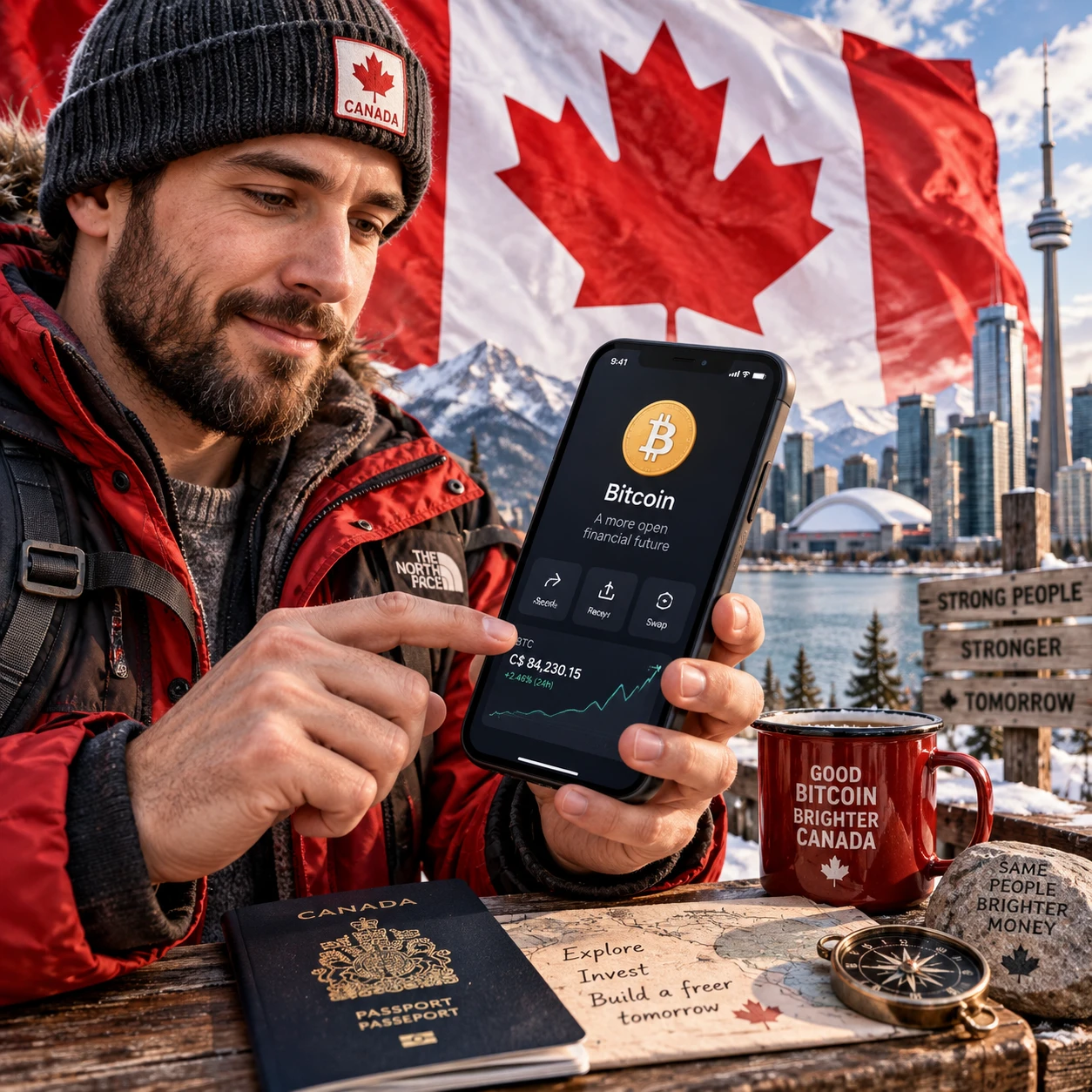
I still remember paying for a coffee with Bitcoin years back — it felt more like a party trick than anything practical. That's changed. By 2026, Canadians from Toronto to Vancouver to Calgary, and plenty of smaller towns in between, have quietly folded Bitcoin into everyday money habits. The Lightning Network made transactions nearly instant, merchant adoption kept climbing, and there's been a real jump in people using crypto for online entertainment — gaming and betting platforms included, where deposits and withdrawals run through Bitcoin now.
So if you've been curious about actually using Bitcoin, not just holding it on some exchange and watching the price chart, this guide covers the practical stuff. Spending it. Moving it safely. And finding platforms for online entertainment without getting burned along the way.
Why Bitcoin Adoption Is Growing Among Canadians in 2026
A few things are converging right now. Inflation worries haven't fully gone away, and a lot of Canadians still treat Bitcoin as a hedge — a volatile one, sure, but a hedge all the same. At the same time, wallet apps got dramatically easier to use. Platforms like Shakepay, Bull Bitcoin, and Newton simplified onboarding to the point where buying your first bit of Bitcoin takes minutes, not hours of fumbling through seed phrases and exchange verification.
Merchant acceptance expanded too, quietly. I've noticed more point-of-sale terminals in Vancouver coffee shops and Calgary boutique stores that take crypto payments directly, usually converting instantly to Canadian dollars behind the scenes so the merchant never actually holds Bitcoin. That removes a lot of the volatility risk that used to scare small business owners off entirely.
Regulatory Landscape in Canada
One thing that genuinely sets Canada apart from some other markets is the regulatory framework. Crypto exchanges operating here need to register with FINTRAC, and provincial securities regulators keep a close eye on how platforms market and operate. Doesn't eliminate risk completely, but it does mean there's a baseline of accountability. Compare that to offshore platforms with zero oversight and it's easy to see why Canadians feel more comfortable sticking with domestic exchanges for day-to-day crypto needs.
Everyday Ways Canadians Use Bitcoin for Payments
Beyond the obvious buy-and-hold approach, Canadians are finding genuinely useful everyday applications for Bitcoin. Retail purchases through crypto-friendly POS systems are becoming more common, especially in urban centers. Online subscriptions — streaming services, software tools, even some utility providers — increasingly accept crypto through third-party processors now.
Remittances are another spot where Bitcoin shines, honestly. Sending money to family abroad used to mean hefty wire transfer fees and multi-day waits. Now apps like Strike or Muun let you send Bitcoin over the Lightning Network in seconds, often with fees that are a fraction of what traditional remittance services charge. For Canadians with family in the Philippines, Nigeria, or Latin America, that's been a genuine game-changer.
Bitcoin for Online Shopping and Bill Payments
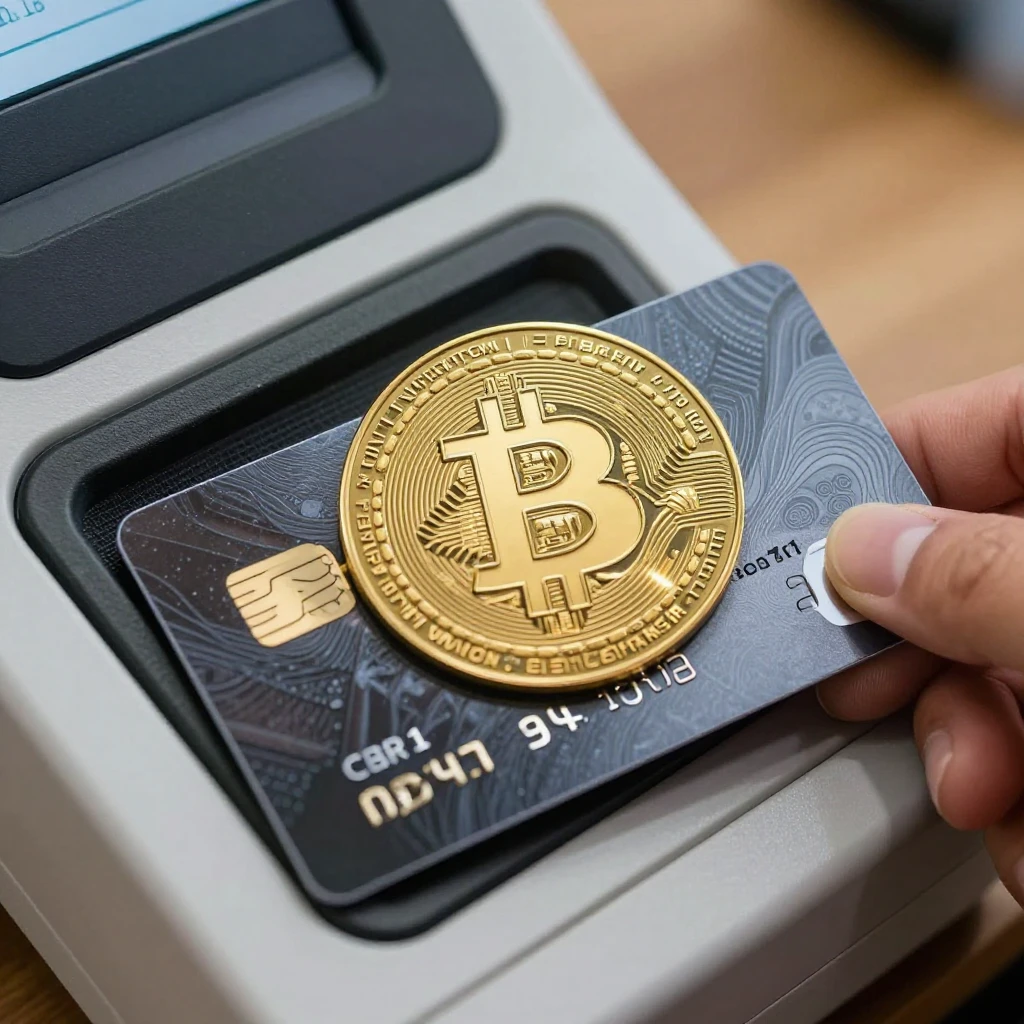
The real bridge between holding Bitcoin and actually spending it has been crypto debit cards. The Shakepay Card, for example, lets you tap and pay at any regular retailer while your Bitcoin converts to CAD right at the point of sale. I've used mine at grocery stores, gas stations, even paid a few utility bills this way. Feels no different than a regular debit card — except the funds are pulling straight from my crypto wallet.
Using Bitcoin for Online Entertainment and Gaming
This is where things get interesting for a lot of Canadians. Online gaming and betting platforms that accept Bitcoin have grown significantly in popularity, and honestly, it's not hard to see why. Transactions settle in minutes instead of days, fees run lower than traditional payment processors, and there's an added layer of privacy since you're not linking a bank card to every single transaction.
Speed matters a lot here too. Nobody wants to wait three business days for a withdrawal to clear after a win — that's just painful. With Bitcoin, especially on platforms running the Lightning Network, withdrawals can happen almost instantly. Fast. Really fast. Which is exactly why crypto has become the preferred payment method for a growing number of Canadian players.
What to Look for in a Safe Bitcoin Gaming Platform
Not every platform that accepts Bitcoin is trustworthy, though — that part's worth repeating. Before depositing anything, I always check for proper licensing, whether the games run provably fair systems (so outcomes can actually be independently verified), how fast withdrawals really process in practice, not just on paper, and whether customer support responds when things go sideways.
For Canadians who want a trusted starting point instead of guessing which sites are legit, resources like best bitcoin casinos offer curated reviews that compare platforms on security practices, game variety, and real-world payout speeds. It's saved me a good chunk of trial and error compared to just clicking whatever shows up first in a search.
How to Safely Store and Transfer Bitcoin
Once you're actually using Bitcoin regularly, storage becomes a real consideration — not an afterthought. I keep a small amount in a hot wallet, a mobile app, for everyday spending and quick transactions. Convenient, sure. But it's connected to the internet, which means more risk if your phone ever gets compromised.
For anything held long-term, a cold wallet is non-negotiable in my book. Hardware devices like Ledger or Trezor keep your private keys completely offline, making them far more resistant to hacking attempts. The rule I follow: spending money stays hot, savings stay cold.
Avoiding Common Security Mistakes
I've watched friends make avoidable mistakes that cost them real money. A few things worth watching for:
- Reusing the same password across multiple crypto platforms
- Skipping two-factor authentication because it feels like an extra step
- Clicking links in phishing emails that mimic legitimate exchanges
- Sending funds to a wallet address without double-checking it character by character
None of these are complicated to avoid. But they're exactly the kind of thing people overlook when they're rushing.
Tax Implications of Using Bitcoin in Canada
Here's where things get a little less fun, but equally important — so stick with me. The CRA treats Bitcoin as a commodity, not currency, which means transactions can trigger either capital gains or business income depending on how you're using it. Spending Bitcoin on goods, services, or even online entertainment counts as a disposition of property, technically, and you need to track the fair market value at the time of each transaction.
I keep a simple spreadsheet logging every transaction — date, amount, CAD value at the time, what it was for. Sounds tedious, I know. But it beats trying to reconstruct a full year of crypto activity come tax season.
Tips for Safe and Fast Bitcoin Transactions
A few habits have made my Bitcoin usage smoother and safer over time. Using the Lightning Network whenever possible cuts transaction times down to seconds instead of waiting around for on-chain confirmations. Always check transaction fees before confirming too — they can spike unexpectedly during busy network periods, and that catches people off guard more than it should.
I also make it a habit to verify wallet addresses twice, especially on larger transfers. Copy-paste errors or malware that swaps clipboard contents happen more often than people realize. And when it's time to cash out, sticking with reputable Canadian exchanges that are FINTRAC-registered gives an extra layer of protection compared to lesser-known platforms.
Bitcoin has genuinely become a flexible, everyday financial tool for Canadians in 2026. Whether it's paying bills with a crypto debit card, sending money to family abroad in seconds, or spending some downtime on a well-vetted gaming platform, the practical applications keep expanding — and honestly, that's not slowing down anytime soon. The key is prioritizing security at every step: using regulated exchanges, protecting your wallets properly, and checking trusted resources before diving into crypto spending or online entertainment. A little diligence upfront goes a long way toward keeping your experience with Bitcoin smooth, safe, and genuinely useful.